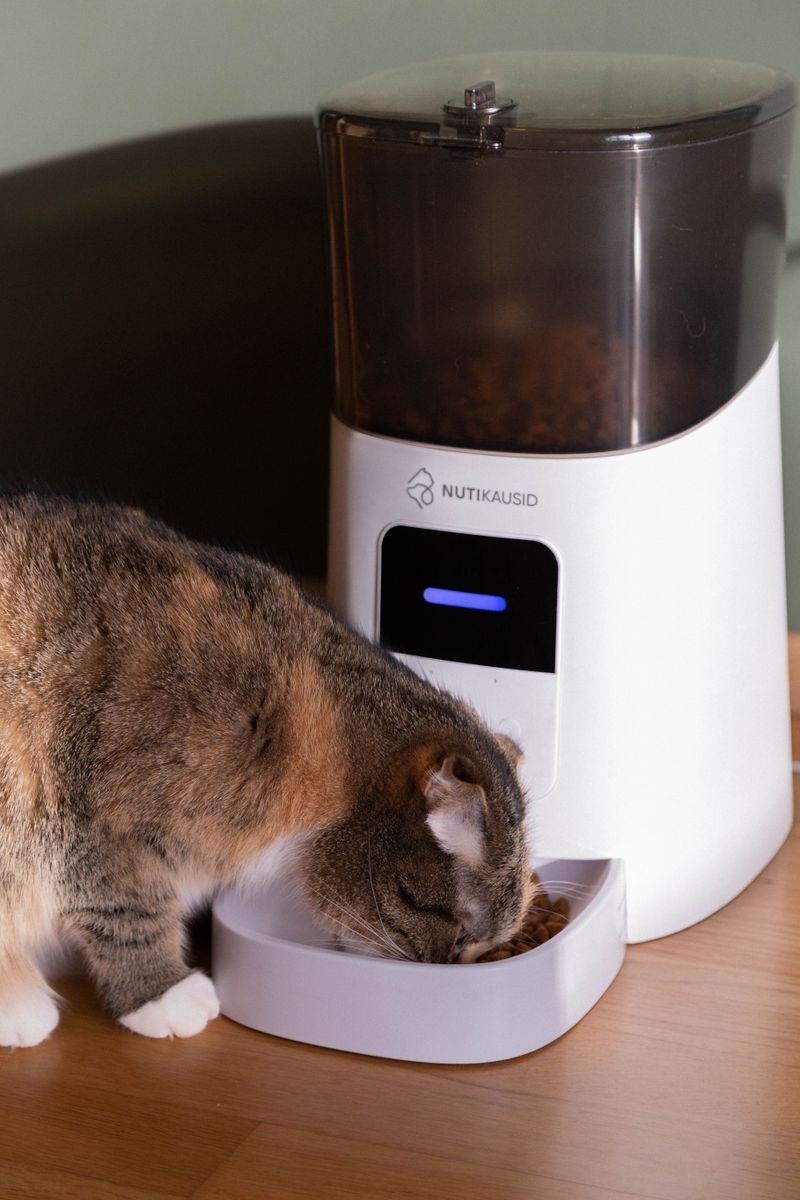
Slow feeder bowls are purr-fect for cats notorious for eating too quickly and then regurgitating their food afterwards.
Specifically designed to slow down the speed with which cats eat, the most common options include textured dishes, ridged or maze-style bowls, puzzle feeders, silicone lick mats and treat-dispensing toys. Some work best with dry kibble, while others are excellent for wet food, treats or food toppers.
The classic: a bowl with shallow ridges, spirals or maze walls that cats must “navigate” to access their kibble. Ideal for both dry and mixed meals, it’s essential that they come equipped with non-slip bases.
For wet food, use a lick mat, a silicone mat, a shallow maze bowl or a textured ceramic dish. Spreading wet food thinly not only means paw-lenty of slow licks, it can even be surprisingly soothing.
Best for dry food and treats, puzzle feeders and treat dispensers make cats bat, roll or paw to release a few kibbles at a time. Superb for smart cats savoring a challenge, both tap into their natural instinct to “work” for their food.
Some cats, especially seniors, may find elevated slow feeders more comfortable. While there’s scant evidence showing elevated bowls prevent vomiting or regurgitation in healthy cats, they should be chosen primarily for comfort rather than medical reasons.
When selecting the purr-fect material, opt for non-porous, durable ones such as stainless steel, ceramic and glass that are generally dishwasher-safe and easy to sanitize. (Avoid plastic since plastic scratches over time and those scratches can harbor bacteria). Always choose ceramic bowls that are food-safe and free of chips or cracks because damaged ceramic can also harbor bacteria.
Shape and whisker comfort: many cats prefer wide and shallow bowl designs that don’t squish their highly sensitive whiskers. Therefore, avoid any bowls that are narrow and deep.
Difficulty level: Begin slowly and easily for kittens, flat-faced breeds, seniors and slow-feeder novices. You can always “level up” if they still finish their meals far too quickly.
Introducing a slow feeder to your feline: Serve part of their meal in the slow feeder and the rest of it in their regular bowl, then shift the ratio over a period of several days. Pick an easy design first, keep it scrupulously clean, and feed cats separately in a multi-cat home to prevent them from “panic eating.” Keep an eye out for frustration, skipped meals or food guarding. If your cat gives up, has dental issues or eats wet food, switch to a simpler or shallower design.
In short, slow feeders can help many cats pace their meals, add enrichment to their lives and reduce incidents of regurgitation, but they’re not a cure-all. Choose designs based on your own cat’s food type, in an easy-to-clean material, at the appropriate difficulty level, and, most importantly, with your cat’s comfort in mind.
When in doubt, however, always ask your trusted veterinarian for advice.