
Can Cats Comprehend Our Tone of Voice?
by Nomi Berger
As people, it’s clear that we use different tones of voice when conversing with other people. According to the old adage, “It’s not what you say, but how you say it.”
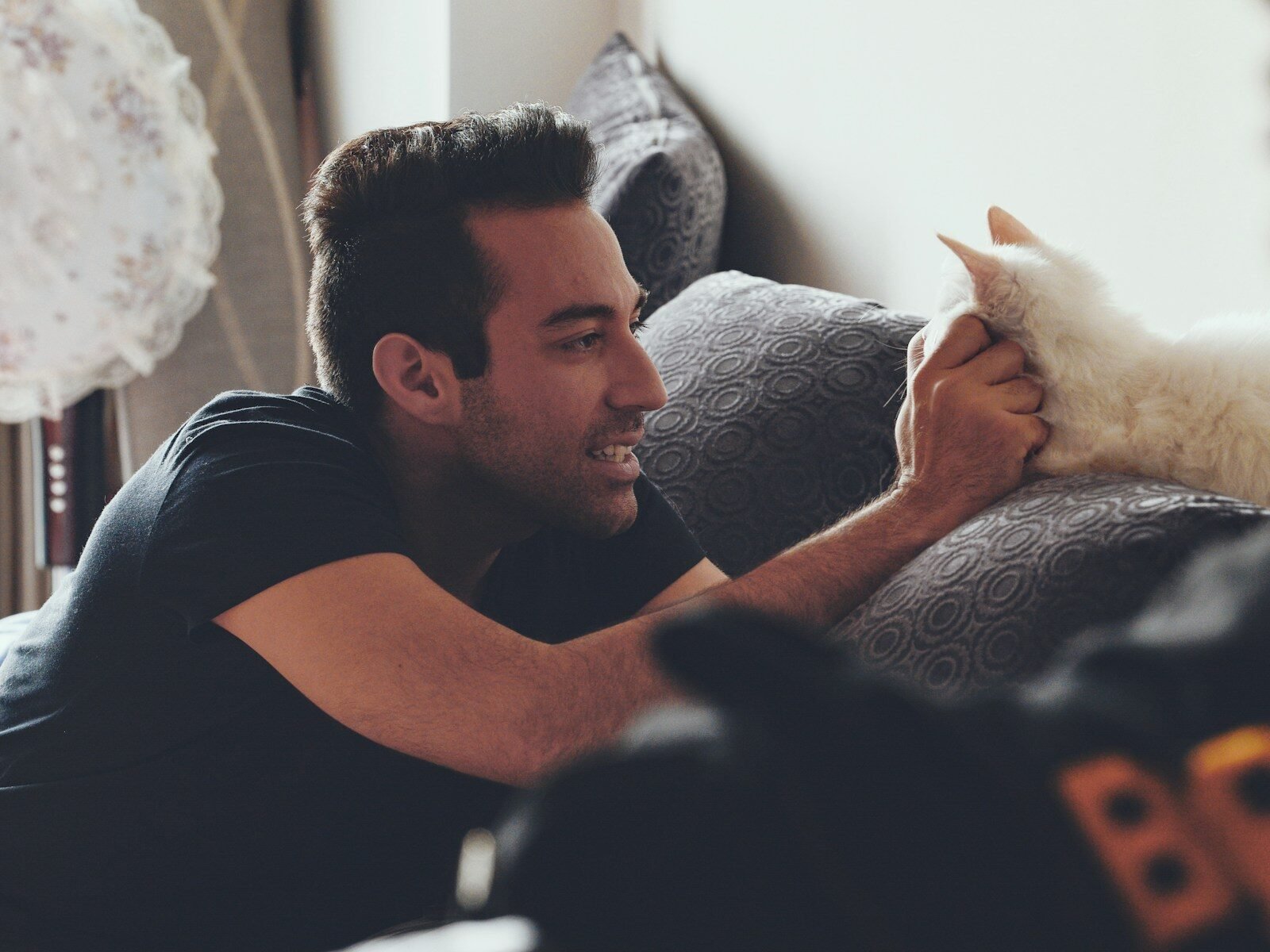
That said … can our feline friends comprehend our tone of voice when we’re speaking to them? The short answer is “yes.” Cats are not only sensitive to the various tones we use when talking to them, they, in turn, will respond differently to each one.
Research shows that cats tend to respond most positively to friendly and upbeat tones, surprisingly similar to the tones used in so-called “baby talk.” Speaking to them in a soft, calm voice can help cats feel relaxed and safe while, at the same time, intensifying the bond between them and you, their pet parents. Using a firm tone to address them may assist in attracting their attention whereas shouting at them or emitting harsh sounds can both frighten them and damage the trust between you.
A separate study indicated that cats displayed stronger reactions to “cat-directed speech” — the higher-pitched, animated voice that many pet parents naturally use with their pets — than to the tone they typically use with other adults. This upbeat tone may encourage playfulness, affection and positivity in your own cat. Stop a moment and consider the way your voice naturally lifts whenever you greet a kitten. The warmth and energy behind your words matter far more than the words themselves.
The reason why soft, calm tones strengthen the human-feline bond comes down to one word: oxytocin. Often referred to as the “love hormone,” it’s released from both you and your cat simultaneously, creating an irresistible and irreplaceable sense of trust and safety between the two of you. To create an even greater oxytocin boost, combine your soft, calm tone of voice with either petting your kitty or slow blinking several times.
Because our supremely sensitive cat companions are very much in tune with how we, their pet parents, are feeling ourselves, they’re acutely aware of even the subtlest changes in our tone of voice. When we use our friendly, high-pitched toned voice, our cats may not only feel more affectionately towards us, they may reward us by purr, purr, purring. Partnering this tone and offering our cats a special surprise such as a catnip toy or engaging with them through an interactive toy can boost their playfulness to an entirely new and especially happy level.
On the opposite side of the proverbial fence: avoid hissing at your cats. Hissing will only make them feel threatened. While it might temporarily stop them from, for example, jumping onto the counter or surfing for leftover human food, hissing runs the risk of destroying their trust in you in the long run. Choose instead to speak to them in a firm, low-pitched voice. This approach is far more effective for both correcting any “sassy” feline behaviors and for general training purposes. Your cats will usually be attentive and responsive to this tone of voice.
Never yell at your cats. It’s both fearful and distressing to them and they’ll likely run away and hide. Not only does yelling at them seriously damage your existing bond, it may undermine their trust in you, a trust you might never fully regain.
In short, to ensure that you and your favorite feline companions live harmoniously together fur-ever, ensure that your tone of voice is “music to their ears.”
[ssba-buttons]